
Where should a porta potty go on a job site?
Put it on flat, stable ground within a short walk of the work zone, not tucked behind a fence where the service truck cannot reach it. A standard unit runs about 44 by 48 inches on the ground and stands roughly 92 inches tall, so give it clearance on all sides for the door to swing open. ADA Standards section 302.1 calls for surfaces that are stable, firm and slip resistant, which rules out loose gravel or soft mud as a base. If you are placing an ADA accessible porta potty, section 304.3.1 also requires a 60 inch turning circle in front of the unit, so leave real space, not just a gap. For construction crews, OSHA 1926.51(c) sets the ratio behind how many units you need in the first place, which drives where they end up clustered. Our porta potty placement guide work always starts with a walk of the site before drop-off, and the how many porta potties do I need page can help you size the count before you plan spots. For events, check the event restroom rental page for layout advice specific to crowds instead of crews.
What are the porta potty placement rules for service access?
Service trucks need a straight approach, and this is where most placement mistakes happen. A roll-off delivery needs about 60 feet of straight clearance behind the truck, and porta potty pump trucks want a similar unobstructed line, not a tight turn between parked equipment. Keep units off soft turf that will rut under a loaded truck, and keep them out of drainage swales that flood after rain, which is common around Pearland in the wetter months. ANSI/PSAI Z4.3 sets a baseline service interval of once a week for up to 10 users over a 40 hour week, so plan a route the truck can hit on that schedule without rerouting around your dumpster or fence line. If you are also running a roll-off dumpster rental or temporary fence rental on the same site, map both trucks' paths together so nobody boxes the other in. Check dumpster placement permit rules with the city if the container sits in a right of way; permit cost and process vary by placement, and it is worth confirming before delivery rather than after.
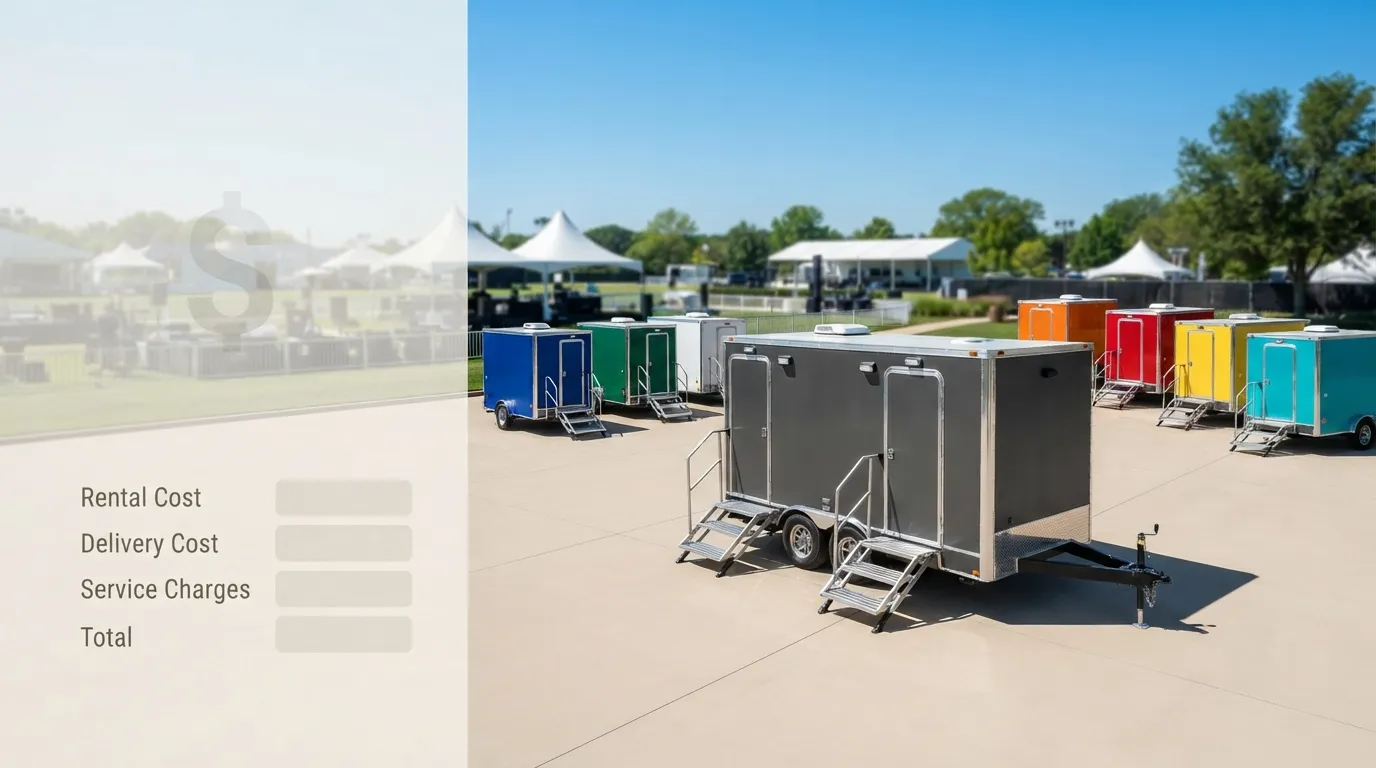
Do I need a permit to place a porta potty or dumpster in Pearland?
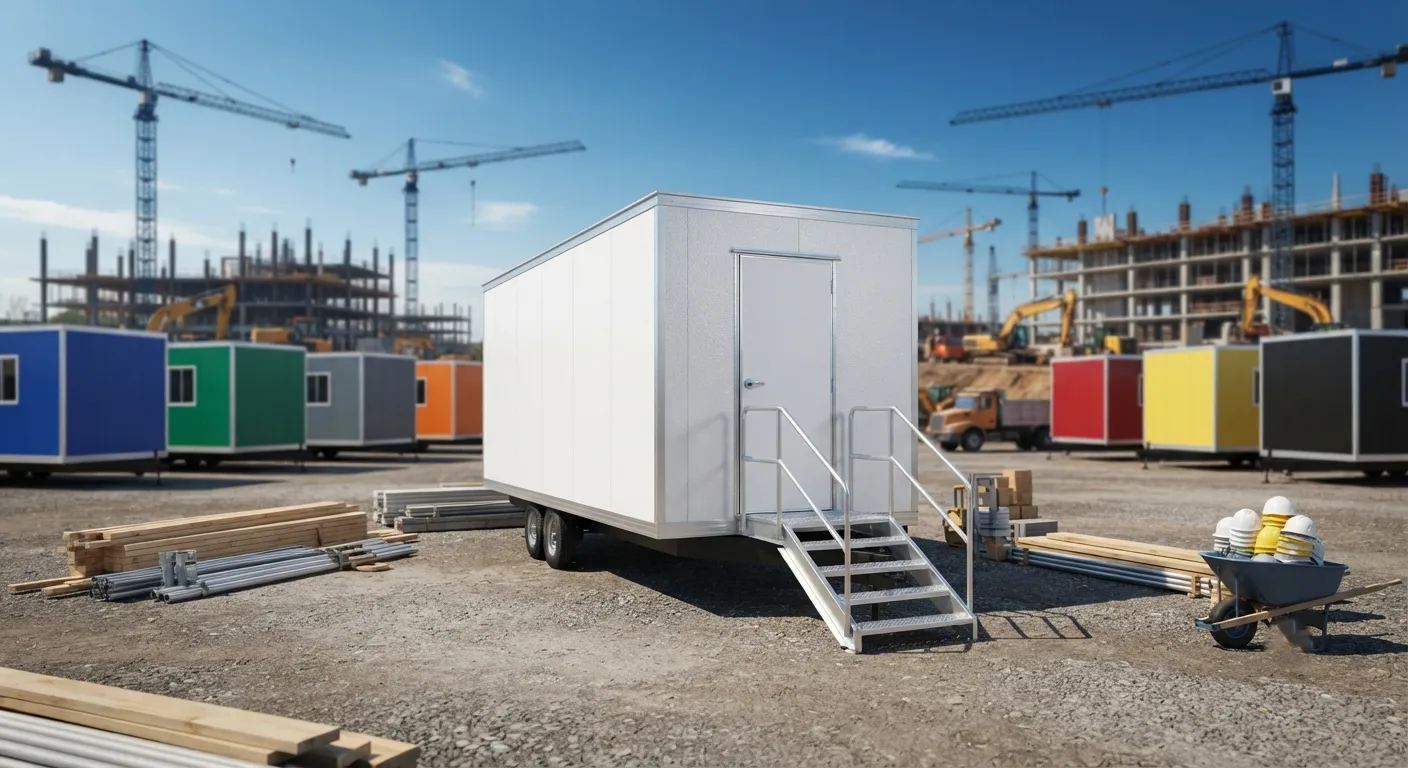
Placement in the public right of way, on a street or sidewalk, generally needs sign-off from the city, and that has not been verified against a specific Pearland ordinance here, so confirm with the city before you commit to a curb spot. The same caution applies to dumpster placement permit costs, which differ by jurisdiction and are not something we will guess at. If your unit sits fully on private property, set back from the curb, that is usually simpler, but check the porta potty permit requirements page and the dumpster permit requirements page before you finalize a plan. Pearland Porta Pros can help you figure out where your line is even when the paperwork is not, and a quick call to the city saves a redelivery fee later. If you are running a mobile office trailer on site too, check mobile office trailer rental for setup notes, since trailer doors and steps have their own clearance needs separate from restroom units.
Where should ADA units and handwashing stations be placed relative to the rest?
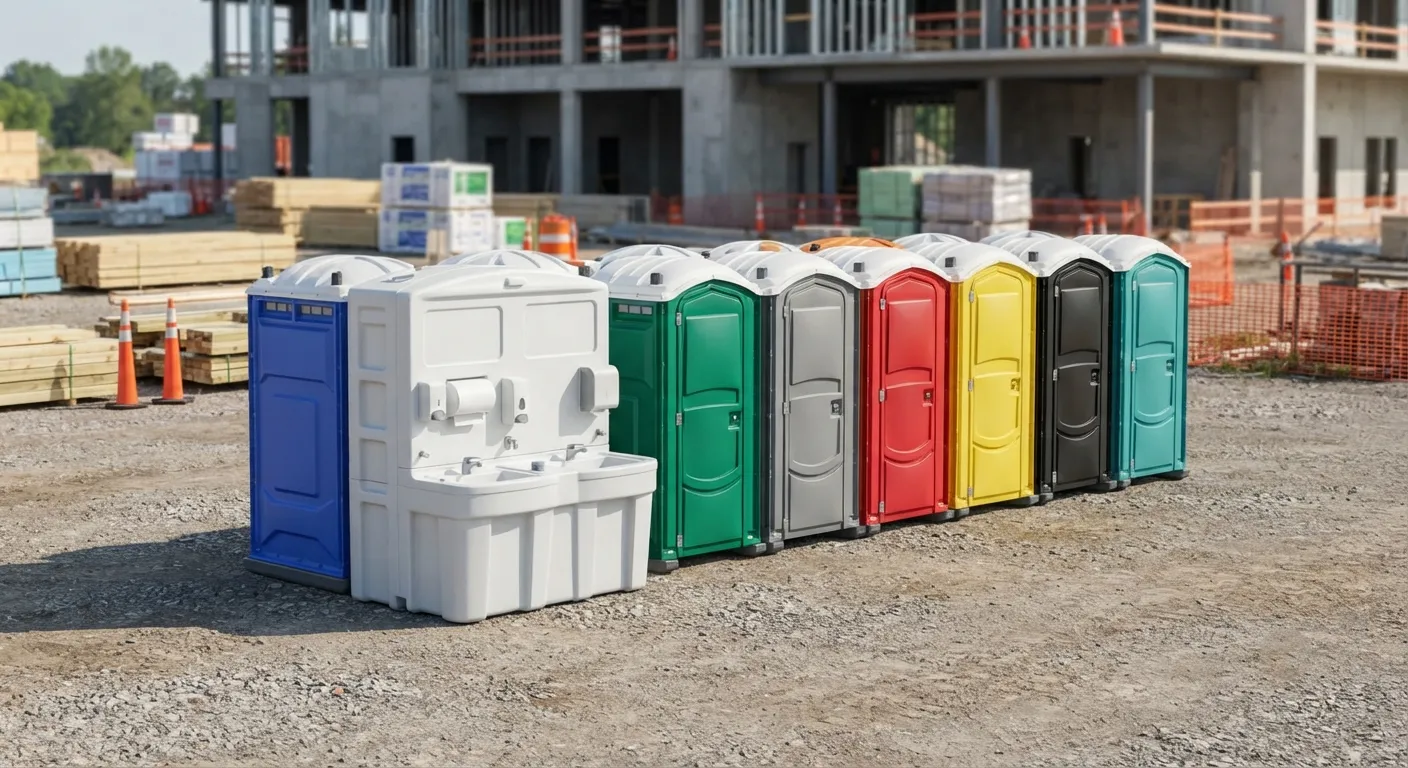
ADA units belong on the same accessible route as everything else, not off on a side path with a curb in the way. ADA Standards section 403.5.1 requires a minimum 36 inch clear width on that route, and section 404.2.3 sets the minimum door opening at 32 inches, so a narrow gravel trail between two dumpsters will not pass. Section 213.2 requires that at least 5 percent of clustered single-user units be accessible, never fewer than one, so if you have six standard units on a Pearland job site, one of them needs to meet that spec. Put your handwashing station rental or portable sink rental next to the toilet cluster, not across the lot, since 29 CFR 1910.141(d)(2) requires soap and towels or a hand-drying device at wash stations, and workers skip the walk if it is inconvenient. If your crew is applying paint, coatings or pesticides, OSHA 1926.51(f)(1) requires washing facilities for that specific exposure, so place a station near that work area too. For agricultural sites, OSHA 1928.110 requires facilities within a quarter mile walk of hand-labor employees, which changes your spacing math on a farm job compared to a fenced lot.
How far from a building does a porta potty need to sit?
There is no single blanket distance in the FACT BANK for this, so check your site plan and any HOA or property manager rules first. Keep it off soft ground near foundations, clear of doors that swing outward, and reachable by the service truck without crossing landscaping.
Can a porta potty sit on grass or does it need a pad?
It can sit on grass if the ground is firm and level, per the stability standard in ADA Standards section 302.1. Soft or sloped turf shifts under a loaded 60 to 70 gallon tank, so gravel or pavement is safer for multi-week rentals.
Does placement change for a restroom trailer versus a standard unit?
Yes. A restroom trailer rental needs a level, wider pad for leveling jacks and often a nearby power hookup, unlike a standard unit that just needs flat ground and truck access.
What if my site has no good spot for the pump truck to reach?
Talk to us before delivery. We can sometimes use a longer hose run or suggest an alternate unit placement that still meets the 60 foot clearance guideline trucks generally need for straight access.
Do I need a permit for a temporary fence around my units?
Fencing placement rules follow the same right-of-way logic as toilets and dumpsters. Confirm with the city if your fence line touches a sidewalk or street; see temporary fence cost for planning either way.
Next step
Get a delivery date
Tell us the address, the dates and the headcount. We size the order and confirm the route.