
How Often Does a Septic Tank Need Cleaning?
The honest answer: it depends on the tank, not the calendar. A tank serving two people can often stretch toward 5 years between visits, similar to what we see with septic tank cleaning schedules across smaller households. A tank serving a family of five, with laundry, dishwashers and long showers running daily, is closer to 3. Pearland's clay-heavy soil doesn't drain fast, so a tank at the edge of its interval gets less forgiving, not more. If you've never had the tank pumped or don't know its size, that's the first thing to find out before guessing at a schedule. Septic tank warning signs can tell you if you're already past due, things like slow drains, wet spots near the tank, or a sewage smell in the yard. If any of those show up, don't wait for the next scheduled cleaning. Call for septic pumping service instead of guessing. Homeowners who track pumping dates and household size together get more accurate intervals than anyone going strictly by a sticker on the tank lid, and the septic tank pumping cost page breaks down what to budget for either way.
What Determines Septic Tank Cleaning Frequency?
Three things drive frequency: tank size, household size, and what goes down the drain. A larger tank buys more time between pumpings because there's more room for solids to settle before they reach the outlet, the same logic behind sizing a storage container rental or a septic tank. Household size matters just as much. More people means more wastewater and more solids entering the tank every week. What you flush matters too. Grease, wipes and food waste fill a tank faster than normal use would suggest, much like a dumpster weight limits issue on a jobsite where the wrong debris fills a container too fast. If your property runs a commercial kitchen or restaurant space, that's a different system entirely, and grease trap pumping applies once fats, oils, grease and solids reach 25 percent of the liquid depth in the interceptor. For a straightforward home in Pearland, though, the 3 to 5 year window from tank size and household count is the right starting point, and septic tank pumping cost is worth checking before you're in an emergency.
Why Does Regular Pumping Matter?
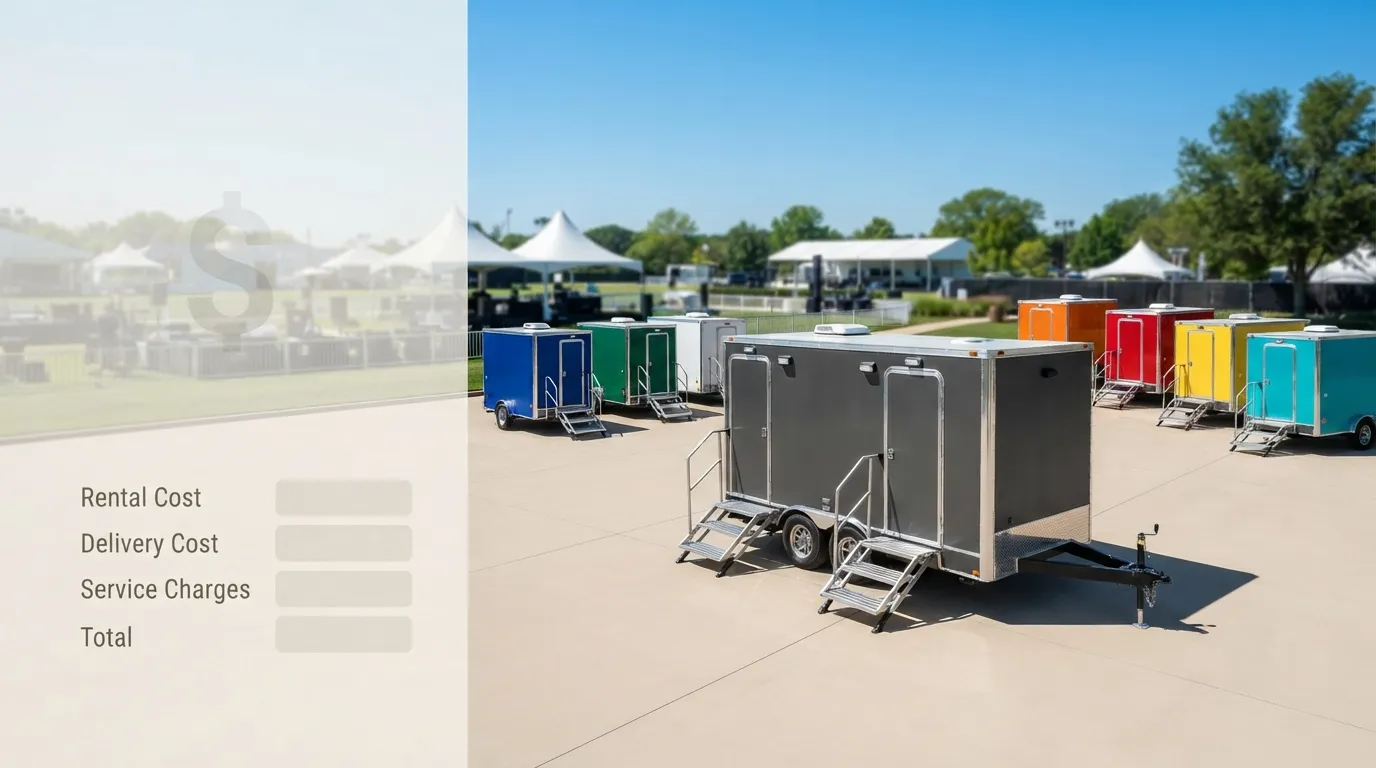
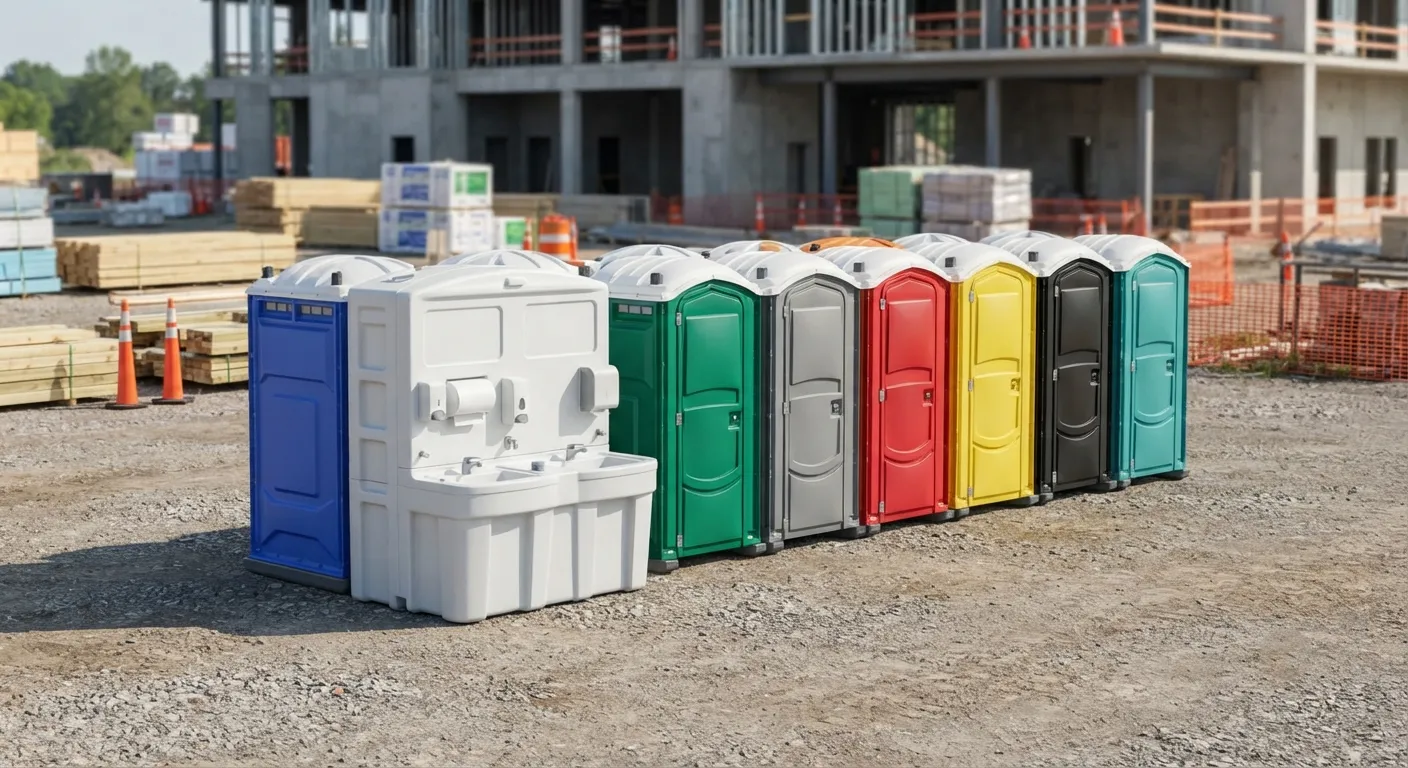
Skip pumping long enough and solids fill the tank until they flow into the drain field, where they clog the soil permanently. That turns a routine service call into a drain field replacement, which costs far more and takes longer to fix, not unlike letting a roll-off dumpster rental overflow instead of scheduling a swap. Regular pumping keeps the system doing its job: separating solids from liquid so only treated water reaches the leach field. This is different from a construction site's needs. A jobsite typically rents a portable toilet rental or porta john rental instead of relying on plumbing at all, sized to worker counts under OSHA 1926.51(c). A house depends on its septic system daily, with no OSHA rule attached, just wear from ordinary living, while a work crew nearby might lean on construction site services for everything else on the lot. If you're building a new home or doing a major renovation in Pearland and the septic system isn't hooked up yet, a home renovation porta potty covers the gap. For most homeowners, a consistent pumping schedule is the cheapest insurance the system gets.
When Should You Schedule Service?
Book septic pumping before you hit visible trouble, not after, the same way you would schedule a temporary fence rental before a project starts rather than after something goes wrong. Slow drains, gurgling pipes or a soggy patch over the tank are late signs, not early ones. If your last pumping was more than 3 years ago and you haven't checked since, that's reason enough to schedule now rather than wait for a warning sign. Pearland homeowners near Manvel, about 7.1 miles southwest, and Friendswood, roughly 10.4 miles southeast, use the same 3 to 5 year guideline, since soil and household patterns are similar across the area. If you're dealing with a backup right now, emergency septic service gets someone out fast, and an emergency porta potty rental can cover the household in the meantime. For routine work, a standard septic day rate applies, and comparing options ahead of time through septic tank cleaning beats calling around during an actual emergency.
| service | typical cost range |
|---|---|
| septic pumping, per day | $150 to $300 |
| septic pumping, weekend | $50 to $150 |
Pearland Porta Pros books both scheduled and emergency septic pumping visits, and can also set up a holding tank rental if your system needs repair time before it's back in service, or answer questions on the FAQ page or through request a quote.
How do I know my tank size?
Check your property records or septic permit paperwork first; tank size is usually listed there. If you can't find it, a technician can estimate it during the visit based on tank dimensions. Knowing the size helps set a realistic pumping interval instead of guessing blind.
Can I extend the time between pumpings?
Somewhat. Using less water, avoiding grease and wipes down the drain, and spacing out laundry loads all reduce solids buildup. None of that replaces pumping entirely. It just stretches the interval toward the 5 year end instead of the 3 year end.
Does household size really change the schedule?
Yes, significantly. A two-person household generates far less wastewater than a family of five. More people means more frequent pumping is needed to keep solids from reaching the drain field, even with an identical tank size.
What happens if I skip pumping too long?
Solids overflow into the drain field and clog the soil, which is expensive to repair and sometimes means replacing the field. A missed pumping cycle is far cheaper to fix than a ruined drain field, which is why the 3 to 5 year window matters.
Is a full septic system different from a portable toilet setup?
Yes, entirely separate systems. A septic tank handles ongoing household wastewater underground. A portable restroom rental or restroom trailer rental is a standalone unit for temporary use, common on jobsites or during system repairs, with no connection to your home's plumbing.
Next step
Get a delivery date
Tell us the address, the dates and the headcount. We size the order and confirm the route.