

What Are the Warning Signs of a Full Septic Tank?
Start with the drains. If sinks, tubs, and toilets empty slower than they used to, or several fixtures back up at once, the tank is likely near capacity. Gurgling in the pipes after a flush is another tell. So is grass over the drain field growing greener and faster than the rest of the yard, since it is feeding off extra moisture and nutrients. Pooling water or soggy ground near the tank lid, even without recent rain, points to the same problem. A sour or rotten-egg smell drifting from the yard is a late-stage sign, not an early one, and by then you are close to backup inside the house. Pearland homeowners on well-established lots often notice the smell first because tanks here have had years to fill gradually. If you are already smelling it, treat it as urgent and check emergency septic service rather than waiting for a routine slot. For a general sense of what a service call costs before it becomes an emergency, septic tank pumping cost breaks down the ranges.
How Often Should a Septic Tank Be Pumped?
Every 3 to 5 years is the standard window, but tank size and household size push that number either way. A smaller tank feeding a large family will need service closer to the 3-year mark. A larger tank with light use can stretch toward 5. How often to pump a septic tank walks through how to estimate your own interval based on tank size and daily water use. Waiting past the recommended window is exactly how solids build up and start pushing toward the drain field, which is the expensive failure mode. Restaurants and commercial kitchens run on a different clock entirely: a grease interceptor gets pumped once fats, oils, grease, and solids reach 25 percent of the liquid depth, which can happen in weeks, not years. If that describes your property, grease trap pumping is the page you want, not this one. For anyone renovating a Pearland property with a septic system still in use, septic tank cleaning covers what a full service visit involves beyond just pumping.

Can I Keep Using the Toilet While the Tank Is Failing?
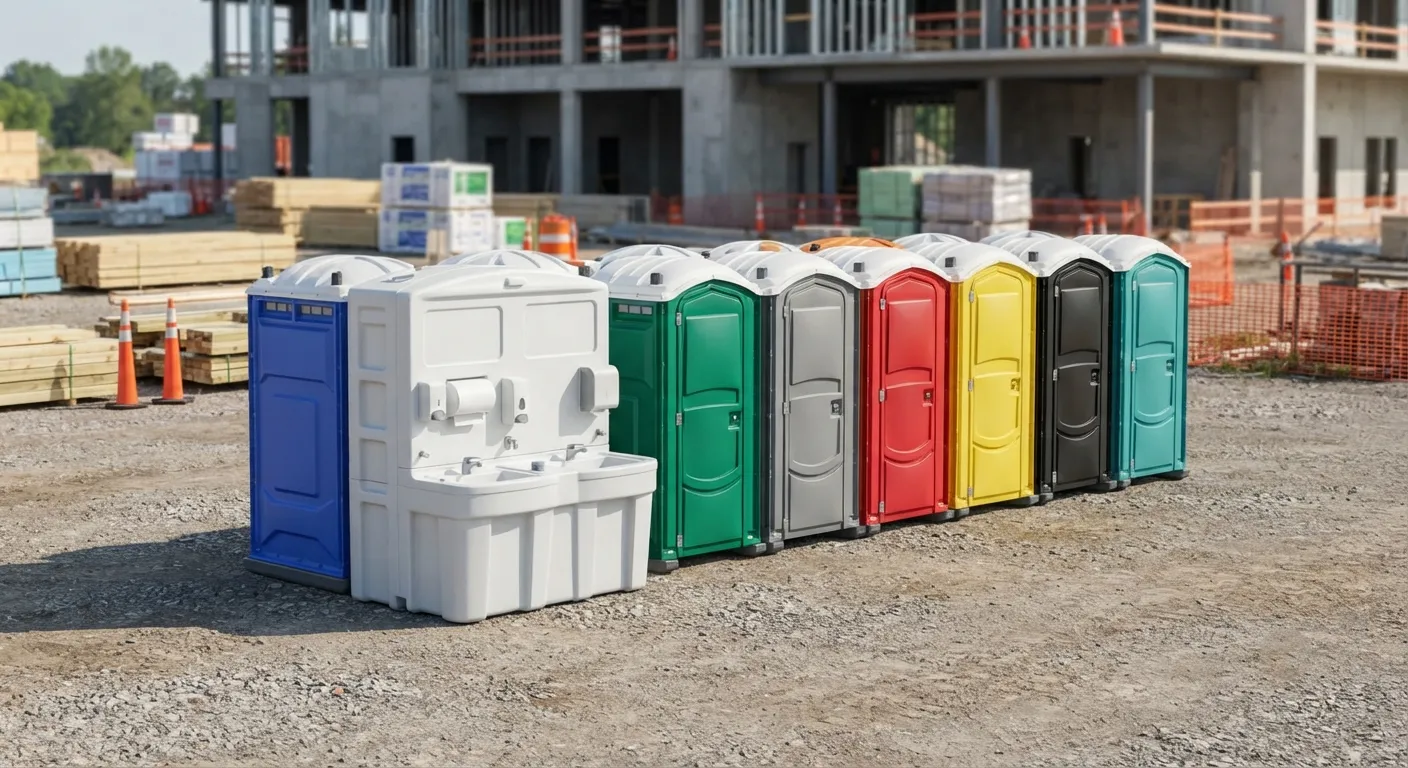
You can, for a short while, but every flush pushes the system closer to backup into the house. If you are already seeing slow drains or standing water over the field, cut back on laundry and dishwasher loads, since those add the most volume fast. A short-term fix is renting a unit while the tank gets pumped or the field gets evaluated. Standard porta potty rental covers most households for a few days, and if you have a contractor crew or a larger family on site, how many porta potties do I need has the math. For a longer gap between failure and repair, a holding tank rental keeps the house running without leaning on a compromised septic system. Pearland Porta Pros delivers within the city and to nearby areas including Manvel, 7.1 miles southwest, and Friendswood, 10.4 miles southeast, so a same-week swap is realistic even if the crew has to reroute around a delivery already scheduled that day.
When Should I Call a Professional Instead of Waiting?
Call as soon as you notice more than one warning sign at once, especially sewage odor combined with slow drains. Waiting on a septic failure risks contaminating the yard and, in worse cases, groundwater near the property line. A professional inspection confirms whether this is a simple pumping job or a drain field problem that needs more work. Septic pumping service is the right first call for routine and semi-urgent jobs alike. If the system is agricultural rather than residential, note that OSHA 1928.110 sets separate field sanitation rules for hand-labor employees on farms, covering potable water, toilets, and handwashing within a quarter mile walk, which is a different standard than a home septic system falls under. For general construction sites running portable sanitation instead of septic, OSHA 1926.51(c) sets the toilet ratio by crew size, and that standard shows up often on the construction site services page for property owners managing a renovation alongside a septic repair.

FAQ
What does a failing septic tank smell like?
A sour, rotten-egg odor near the tank lid or drain field is the clearest sign, and it usually shows up after slow drains and gurgling pipes, not before. By the time the smell reaches the house, the tank is likely close to backing up. Treat it as a same-week call, not a wait-and-see situation.
How much does septic pumping cost in Pearland?
Pumping typically runs in the range covered on septic tank pumping cost, with day-rate service falling between 150 and 300 dollars depending on tank access and volume. Weekend service costs more. Get a firm number before the crew arrives by requesting a quote.
Can I use a portable toilet while my septic system is repaired?
Yes. A standard unit works for most households during a short repair window, and portable toilet rental covers setup and pickup. For a family or a work crew, size up to a restroom trailer rental instead.
Is a greasy smell in the kitchen sink the same problem as a septic issue?
No. That points to a grease interceptor nearing capacity, which fills once fats, oils, and grease reach 25 percent of the liquid depth. Grease trap pumping handles that separately from residential septic service.
Does standing water always mean the septic tank is full?
Usually, if it is near the tank lid or drain field without recent rain. It can also mean a clogged line rather than a full tank. Either way, get septic tank cleaning or an inspection scheduled before it worsens.
Next step
Get a delivery date
Tell us the address, the dates and the headcount. We size the order and confirm the route.