
How Do Porta Potties Work?
Every standard porta potty rental is a self-contained box. Waste and a blue deodorizing chemical sit in the tank below the seat, and a vent stack pulls odor up and out through a screened pipe instead of letting it sit in the cabin. There's no water tank, so nothing to freeze solid or plumb in. The unit is about 44 by 48 inches on the ground and stands roughly 92 inches tall, so it fits on a driveway, a job pad, or a tight lot corner in Pearland without needing a permit for the structure itself. A service truck visits on a route, pumps the tank, sprays it down, and restocks paper. ANSI/PSAI Z4.3 sets the baseline interval at one visit per week for up to 10 users across a 40 hour week, which is why a lightly used site can run leaner than a busy construction crew. For anyone comparing setups by job type, the portable toilet rental page breaks down unit choice, and porta john rental covers the same equipment under a different name contractors use on-site.
How Does a Portable Sink Work?
A portable sink rental runs on a fresh water tank and a foot pump or hand pump, no plumbing required. Water pushes up through a spout, drains into a gray water tank underneath, and the unit gets refilled and drained on the same service run as the toilets. Soap and paper towels sit in a small dispenser built into the cabinet. That matters because 29 CFR 1910.141(d)(2) requires soap and towels or a hand-drying device at washing stations, not just sanitizer. A handwashing station rental is the standalone version of the same mechanism, usually paired with toilets on food sites, farms, or crews doing painting work. OSHA 1926.51(f)(1) specifically requires washing facilities where workers apply paints, coatings, herbicides or insecticides, so a job using those materials in Pearland needs a sink on-site, not just a sanitizer stand. If sanitizer alone is the ask, the hand sanitizer station rental page explains where that's enough and where it isn't.
How Do Flushable Porta Potties Work?
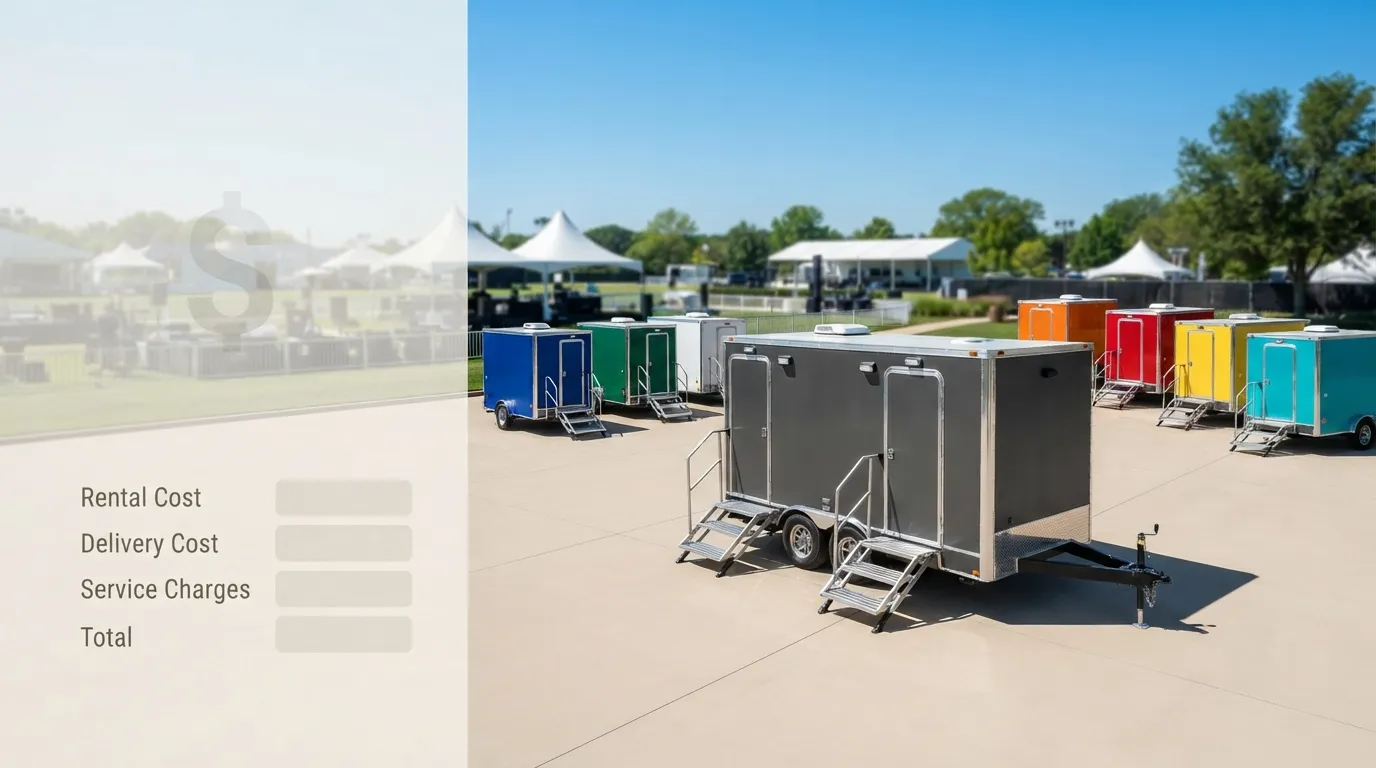
A deluxe flushable porta potty adds a small onboard water tank and a foot pump or battery pump that flushes a rinse of water into the holding tank after use, closer to a real toilet feel. It still isn't plumbed to a sewer. The flush water and waste both sit in the same holding tank until the service truck pumps it out, so tank capacity gets used faster than on a standard unit. That's why deluxe units usually get serviced more often on longer rentals. Weddings, corporate events, and film shoots in Pearland tend to request these over standard units. If accessibility is also a requirement, an ADA accessible porta potty unit adds a 60 inch turning circle per ADA Standards 304.3.1 and a wider door, and ADA Standards 213.2 requires at least one accessible unit, and never fewer than one, wherever single-user toilets are clustered together. For anyone renting for a ceremony or reception, the wedding restroom rental page and event restroom rental page both cover deluxe setups in more depth, and full trailers with real plumbing live under restroom trailer rental.
Why Does a Construction Worker Need One Nearby?
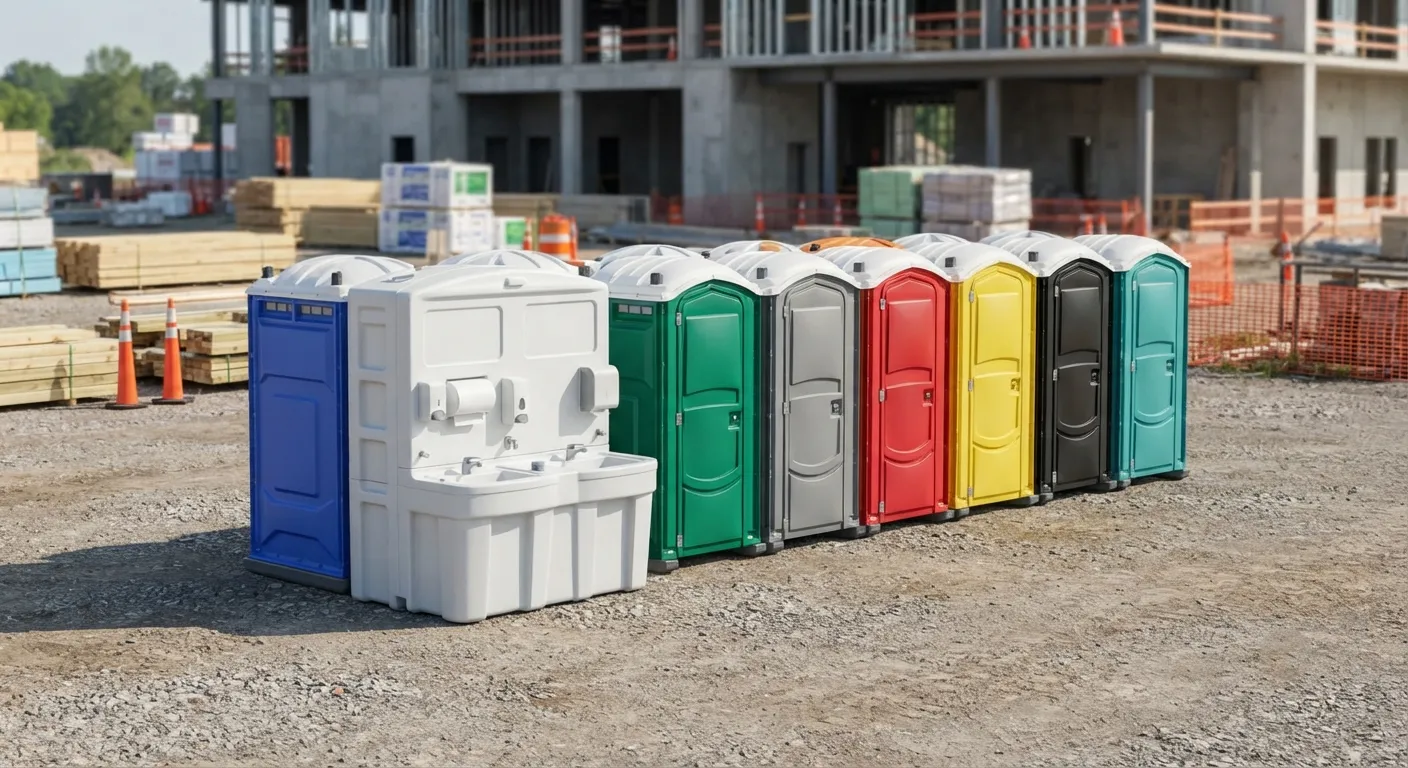
OSHA 1926.51(c) sets the ratio: one toilet for 20 workers or fewer, one toilet and one urinal per 40 workers once the crew passes 20, and one per 50 once a site hits 200 workers. A construction worker running to a porta potty across an active site loses real time if the unit sits too far from the work zone, which is why placement matters as much as count. The how many porta potties do I need guide walks through crew size math, and OSHA portable toilet requirements covers the ratio rule in full. Farms and agricultural crews fall under a different standard, OSHA 1928.110, which requires potable water, toilets, and handwashing within a quarter mile walk of hand-labor employees, a detail covered on farm and agricultural restrooms. Construction sites also need to think about where units sit relative to trenches, staging, and truck paths; the porta potty placement guide covers that, and construction site services bundles toilets with dumpsters and fencing for active job sites.
Pricing by Duration
| unit | day | week | month |
|---|---|---|---|
| standard | $100-$350 | $130-$500 | $125-$325 |
| deluxe | $85-$1200 | $150-$290 | - |
| ada | $200-$400 | - | - |
Full breakdowns live on porta potty rental cost, porta potty rental per day, and monthly porta potty rental.
What chemical goes in a porta potty?
A blue deodorizing chemical, mixed with water, sits in the holding tank to break down waste and control odor between service visits. It's different from septic tank cleaning chemicals used in home systems. Pearland Porta Pros adds fresh chemical at every pump-out on the standard service route.
How do camping porta potties work?
Same mechanism as a job site unit: a sealed holding tank, a vent stack, and no water hookup needed. Camping and event units just get placed on grass, gravel, or a pad instead of a construction lot, and serviced on the same route schedule. See camping porta potty for setup specifics.
Do porta potties smell bad?
Not when serviced on schedule. The vent stack and deodorizing chemical handle most odor between visits, and regular pump-outs keep the tank from filling past capacity. Heat and missed service are the usual causes of complaints. Full detail is on do porta potties smell.
Can I rent a porta potty for just one weekend?
Yes. Weekend rates run separately from daily or weekly pricing and typically land between $125 and $400 for a standard unit depending on delivery distance and quantity. Manvel sits 7.1 miles southwest of Pearland and Friendswood 10.4 miles southeast, both within normal weekend delivery range.
How often does the tank need pumping?
Most standard units get serviced weekly under the ANSI/PSAI Z4.3 baseline, built around 10 users over a 40 hour week. Heavier-use sites, like large events or big crews, need more frequent visits. Request a custom schedule through request a quote.
Next step
Get a delivery date
Tell us the address, the dates and the headcount. We size the order and confirm the route.